
Achieving Aquatic Success: The Art and Science of Swimmer Training
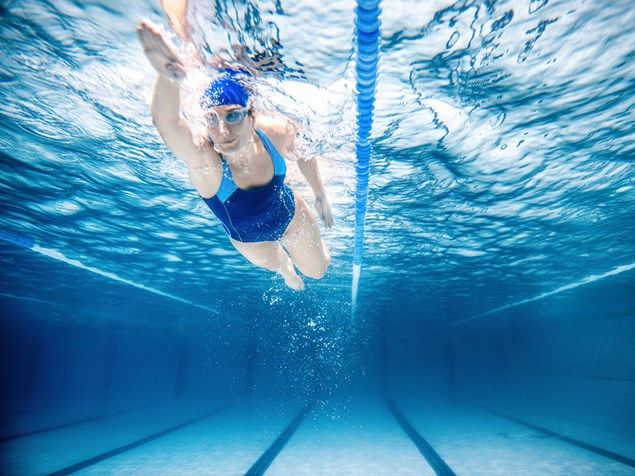
Training for swimmers is a dynamic and multifaceted process that encompasses a range of techniques and principles aimed at optimizing performance in the water. From developing strength and endurance to honing technical skills and mental resilience, swimmer training is a holistic endeavor that requires dedication and strategic planning. Thanks to this training you will be selected for 2025 Swim Swimmers team!
One fundamental aspect of swimmer training is building cardiovascular fitness and endurance. This involves regular aerobic workouts, such as swimming laps, interval training, and cross-training activities like running or cycling. Endurance training not only improves cardiovascular health but also enhances stamina, allowing swimmers to sustain high-intensity efforts over extended periods.
In addition to cardiovascular fitness, strength training plays a crucial role in swimmer development. Strength exercises target key muscle groups, including the core, shoulders, back, and legs, to improve power, stability, and propulsion in the water. Resistance training with weights, resistance bands, and bodyweight exercises like planks and squats helps swimmers build muscular strength and prevent injuries.
Technical proficiency is another focal point of swimmer training, involving drills and practice sessions to refine stroke technique, body position, breathing patterns, and turns. Coaches work closely with swimmers to analyze and correct their form, ensuring optimal efficiency and speed in the water. Video analysis and feedback sessions are valuable tools for identifying areas of improvement and fine-tuning technique.
Mental preparation is equally important in swimmer training, encompassing strategies to enhance focus, confidence, and mental toughness. Visualization techniques, goal setting, and pre-race rituals help swimmers cultivate a positive mindset and manage performance anxiety. Mental resilience training equips swimmers with the tools to stay composed under pressure and bounce back from setbacks.
Nutrition and hydration are integral components of swimmer training, providing the fuel and nutrients needed for energy, recovery, and performance optimization. A balanced diet rich in lean proteins, complex carbohydrates, healthy fats, vitamins, and minerals supports overall health and athletic performance. Hydration is also critical, as dehydration can impair performance and increase the risk of cramps and fatigue.
In conclusion, training for swimmers encompasses a comprehensive approach that addresses physical fitness, technical skills, mental preparation, and nutritional considerations. By integrating these elements into their training regimen, swimmers can enhance their performance, achieve their goals, and excel in competitive swimming environments.